


SUNRICHER Joins deLIGHTed talks Asia at GILE 2026 to Advance Human-Centric Lighting Standards
2026-6-16 上午10:16:48
As part of Guangzhou International Lighting Exhibition (GILE 2026), deLIGHTed talks Asia brought together leading enterprises, research institutions, and industry experts from around the world to explore the future of human-centric lighting. Hosted by Good Light Group Asia (GLGA) Chairman Mr. Lawrence Lin, the conference served as a collaborative platform for advancing healthy lighting from concept-driven discussions toward practical engineering implementation.
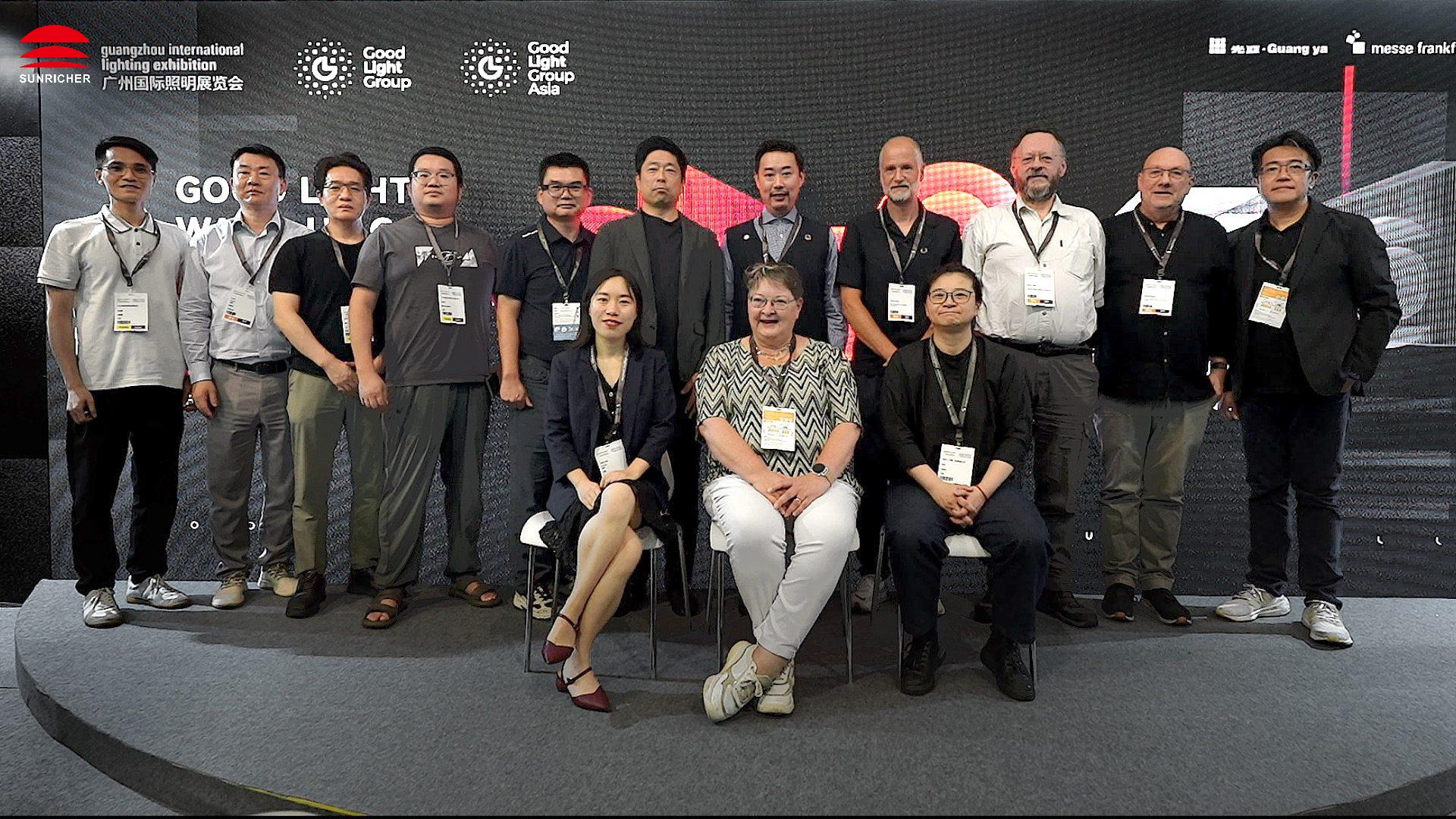
As a founding core member of the GLGA, SUNRICHER was honored to participate in the event. Co-Founder Mr. Kevin Gong joined industry representatives in a series of technical discussions focused on establishing the engineering foundations required for large-scale adoption of healthy lighting solutions. Participants agreed that achieving meaningful progress requires more than concepts, isolated testing, or design intentions. Instead, standardized engineering data models and interoperable technical frameworks will be essential for future industry development.
During the conference, four dedicated working groups were officially established to build a comprehensive technical ecosystem covering LED light sources, luminaires, intelligent control systems, and testing tools. Of particular relevance to smart lighting and building automation, the Intelligent Control Systems Working Group will focus on developing scenario-based control models that integrate lighting control protocols, building management systems, and lighting management platforms. The objective is to define clear relationships between lighting scenes, control channels, spectral characteristics, and human-centric lighting requirements, enabling adaptive lighting environments that respond to both space utilization and occupant needs.
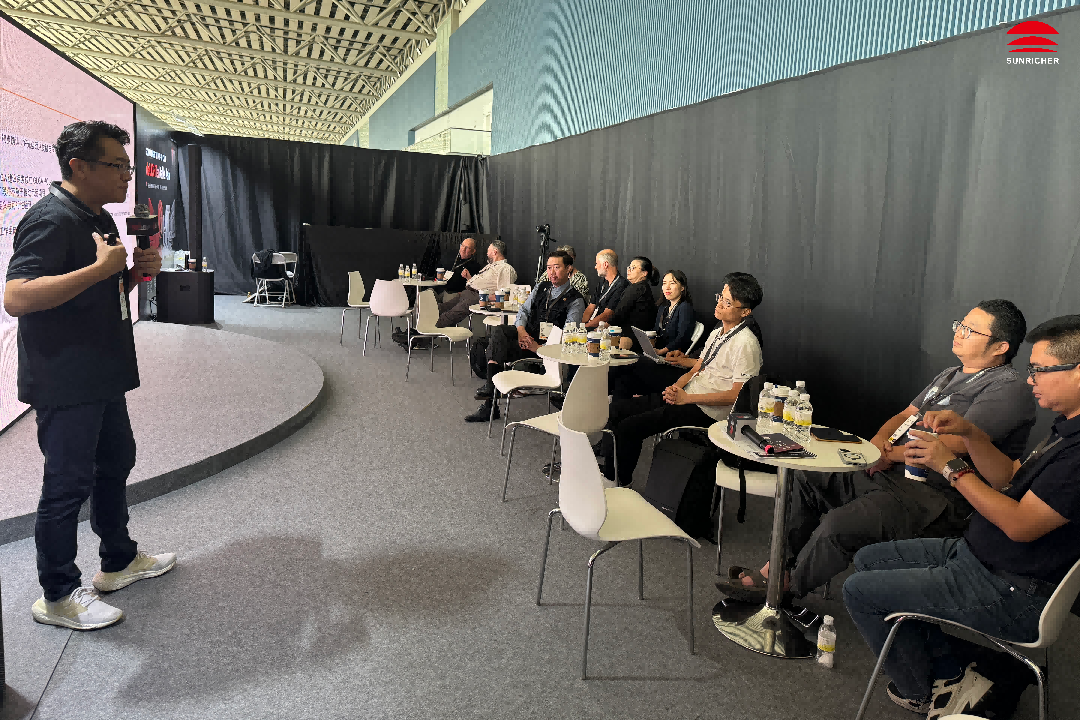
The alliance also announced an 18-month development roadmap divided into three phases. The first phase will focus on technical validation, model definition, and feasibility studies. The second phase will involve prototype framework development and controlled testing, while the final phase will concentrate on pre-standardization frameworks, industry alignment, and pilot project preparation. This structured approach aims to provide a practical pathway toward future healthy lighting standards and broader market adoption.
Throughout the discussions, industry experts emphasized the importance of distinguishing human-centric lighting from medical lighting applications. The primary objective is to replicate natural lighting conditions and support human circadian rhythms within general lighting environments, rather than providing medical treatment. Participants also highlighted the need for measurable standards and verification systems to address growing market confusion surrounding terms such as full-spectrum lighting, red-light enhancement, and ultra-low glare. Consensus was reached that the industry should first solve visible lighting quality issues—including flicker, glare, and illuminance uniformity—before expanding into more complex non-visual human factors research.
The conference concluded with six key industry principles: prioritizing human experience, promoting evidence-based claims, establishing a common industry data language, implementing engineering-driven parameters, building development upon measurable models, and recognizing Asia's leadership role in advancing healthy lighting applications. A new vision was also proposed—delivering the right light for the right person, in the right space, at the right time.
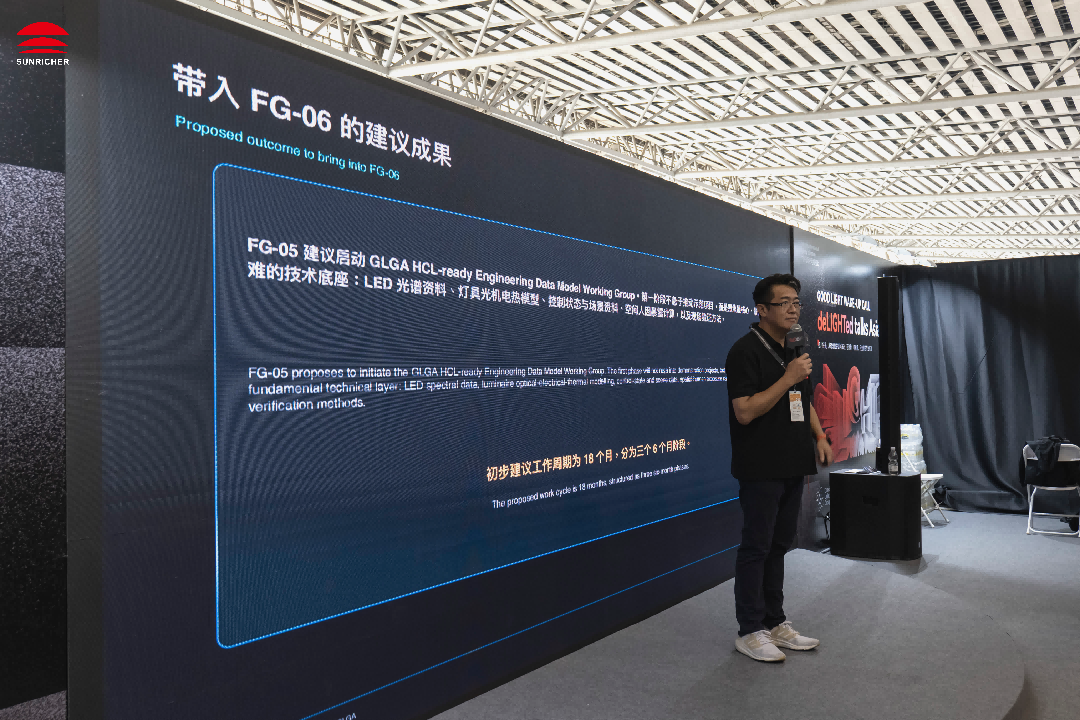
As a founding core member of GLGA, SUNRICHER remains committed to supporting the alliance's initiatives and contributing its expertise in intelligent lighting control, building automation and IoT technologies. Through continued collaboration with industry partners, SUNRICHER will help accelerate the development of healthy lighting standards and practical applications for future smart buildings.