Smart Buildings & Smart Homes: Opportunities and Challenges for the Lighting Industry
2025-12-2 下午03:22:55
Authorized English translation of an article originally published on WeChat by [Lawrence Lin / 林紀良]. Original article (in Chinese): click here.
In recent years, “smart buildings” and “smart homes” have become buzzwords across real estate and IoT industries.
- AIoT, carbon neutrality, BMS, energy platforms, whole-home intelligence…
- Brands everywhere are talking about “spaces that think” and “homes that understand you.”
But behind this wave of attention lies a system that is often overlooked — yet exists everywhere:
Lighting.
Lighting is the most densely distributed electrical device in any building, and also the interface humans interact with the most directly. Yet in many smart-building projects, lighting is reduced to nothing more than “a circuit” or “a list of fixtures.”
This article explores — from a new perspective:
What are the real opportunities for lighting in smart buildings and smart homes?
What practical challenges stand in the way?
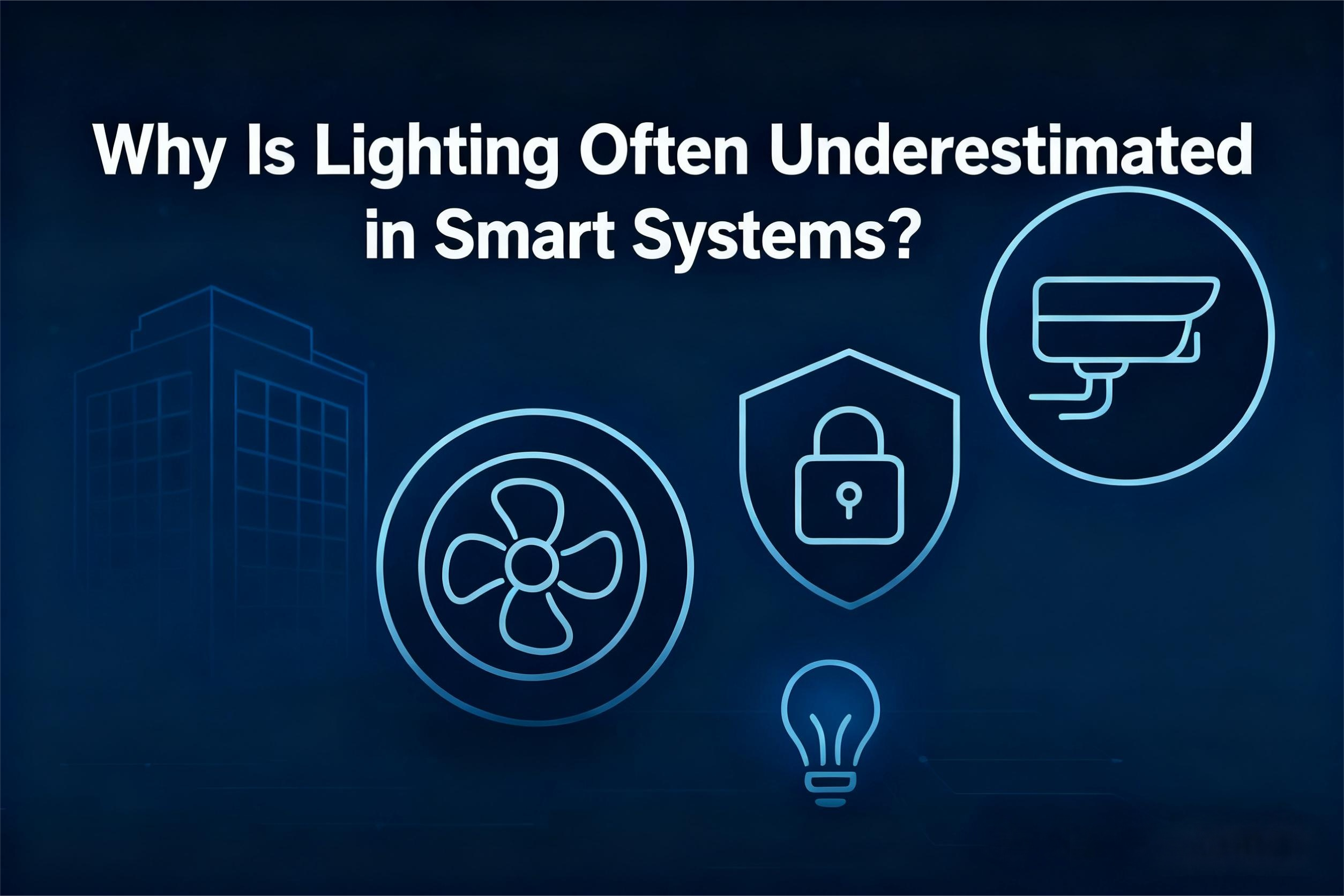
1. Why Is Lighting Often Underestimated in Smart Systems?
From the developer’s perspective, a large project consists mainly of:
- Civil works, MEP, HVAC, facade, interior decoration
- BMS, low-voltage systems, security, network
- And lighting… often just a tiny line under MEP
Several realities further weaken lighting’s role in smart projects:
(1) Low cost share, high integration complexity
- Individual fixtures aren’t expensive, but the quantity is huge
- Once “smart” is required, it involves drivers, power supplies, protocols, gateways, commissioning, labor…
- The developer inevitably asks:
“If we spend extra on smart lighting, what difference does it actually make?”
(2) Fragmentation of standards and systems
- DALI, 0–10V, KNX, BACnet, Zigbee, Bluetooth Mesh, Wi-Fi, Matter…
- Different floors, brands, and systems often “speak different languages.”
- When integrators try to unify everything into one platform, lighting is often the hardest subsystem to merge.
(3) Value is hard to quantify
- Energy savings are easy to calculate.
- But comfort, experience, health, emotion — these “soft values” rarely have clear metrics in tender documents.
- So the result becomes:
“It sounds good, but the budget is tight — let’s remove the smart lighting part.”
This is the most realistic starting point for lighting in the smart building and smart home space: it matters, yet it is often underestimated.
2. Why Lighting Actually Has Built-In Advantages
If we change the lens, a completely different picture emerges.
(1) Lighting is the most natural IoT carrier in a space
- Every room, corridor, meeting room, living room must have lights
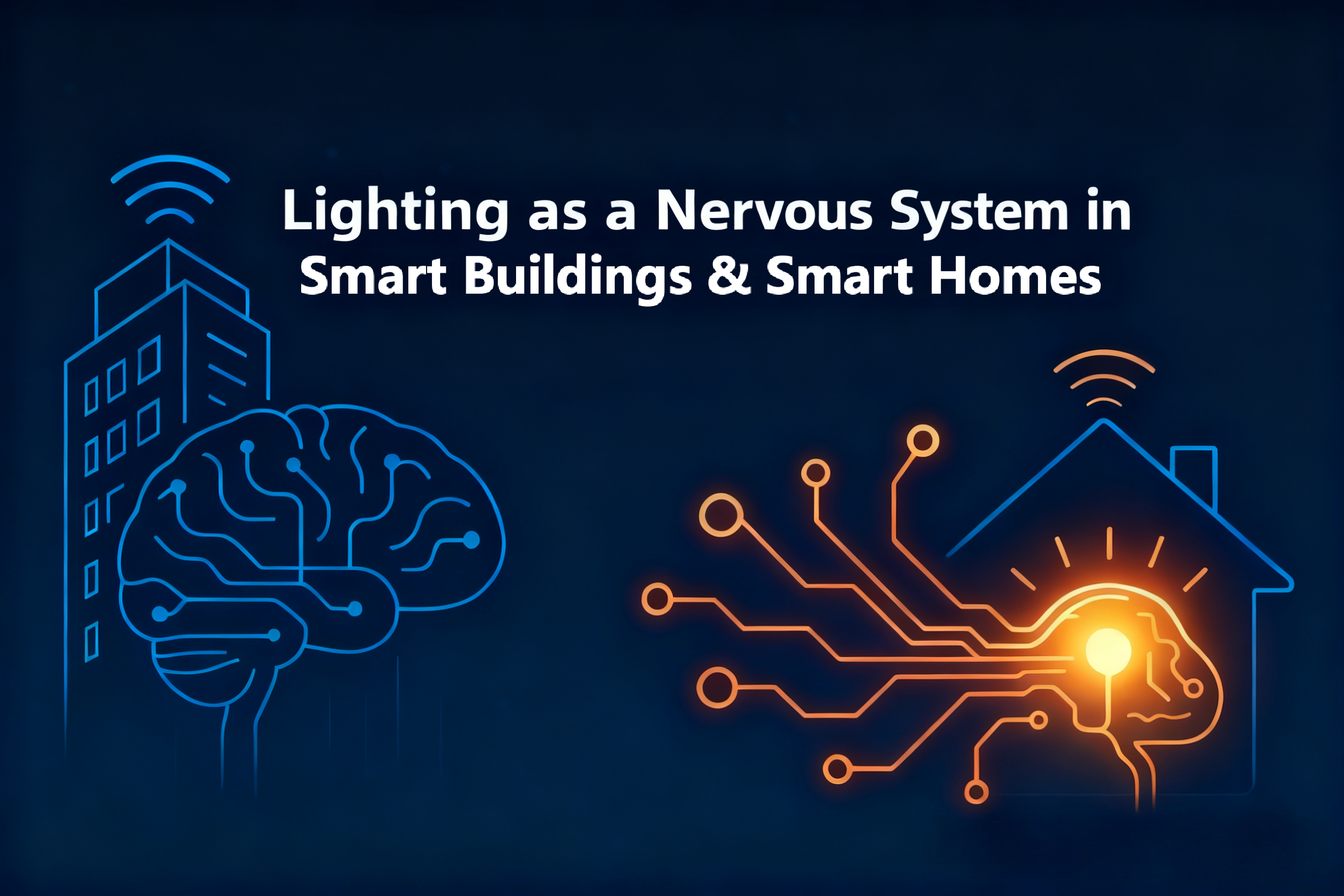
- If lighting fixtures integrate sensors + actuators, they become the most natural “neural endings” of a building
(2) Lighting has the closest relationship with humans
Compared with outlets, air-conditioning units, or panels, lighting directly affects:
- visual clarity
- fatigue level
- mood
- focus & sleep quality
Few building systems interact with humans all day, every day like lighting does.
(3) Lighting simultaneously connects “space + energy + people”
A single luminaire can reveal:
- Is the space occupied?
- How much power is being used, and what is the energy load?
- What visual task or emotional state does the moment require?
Lighting naturally sits at the intersection of multi-dimensional data.
So if we ask:
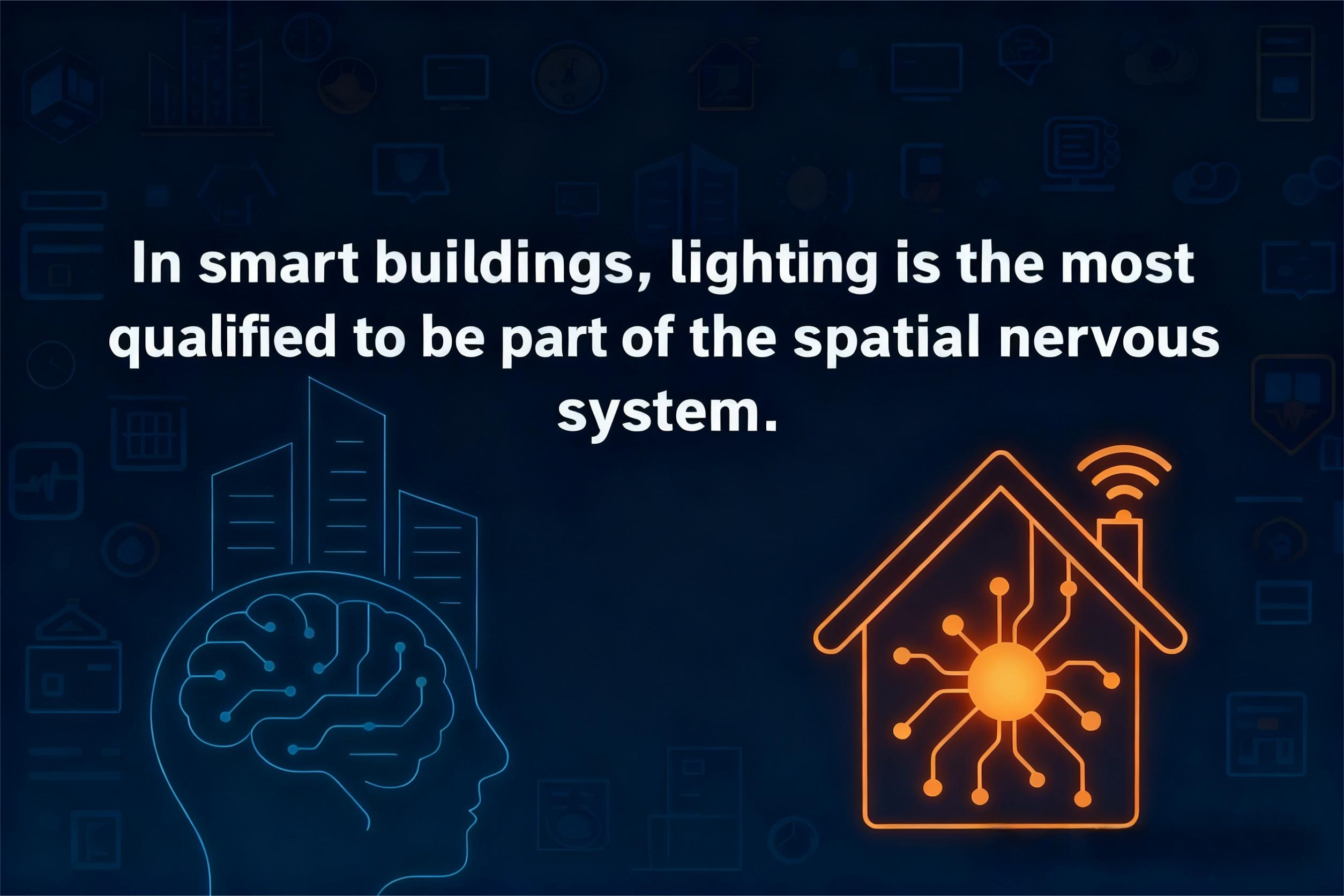
Which system is most qualified to become part of the building’s “nervous system”?
Lighting is unquestionably at the front of the line.
3. Where Are the Opportunities? (From Beautiful → Useful → Healthy)
(1) Energy & Operations: From “Switches” to “Data Points”
Lighting and sensors can capture:
- real-time occupancy
- daylight levels
- energy consumption
They can link with HVAC and shading to enable true granular, zone-based energy optimization.
On the operations side, self-diagnostics from drivers and gateways can:
- detect faults
- predict component life
- reduce inspection and maintenance costs
To decision-makers, the message is simple:
“How much energy and operations cost can smart lighting save?”
(2) Experience & Branding: Making Scenes into Assets
- Offices: focus mode, meeting mode, brainstorming mode, after-hours reset
- Retail & exhibitions: traffic flow, dwell time, photo-friendly areas, branding ambience
- Hotels & apartments: welcome scenes, work corners, relaxation mode, pre-sleep mode, wake-up mode
When these scenes become replicable and scalable, they transform from designer creativity into brand assets and digital modules.
(3) Health & Emotion: From Circadian to Emotional Lighting
By leveraging standards such as CIE S026 and WELL, we transform illuminance, color temperature, and spectrum into circadian lighting recipes:
- boosting alertness in the morning,
- enhancing focus during the day,
- avoiding excessive disruption of melatonin at night.
Further integrating neuroscience and physiological indicators (such as the LSS model from LRS),
we map different lighting conditions to emotional outcomes—relaxation, focus, recovery, social interaction—and turn them into ready-to-use emotional-lighting presets.
The opportunity:
Lighting is no longer just about “seeing,”
but about enhancing health and well-being.
4. The Real Challenges: Technology, Cost, and “Who Pays?”
Opportunities are big — so are the obstacles.
(1) Technical integration
- Different light sources, drivers, protocols, and platforms need heavy adaptation.
- Retrofits on old buildings often require “surgery” on legacy wiring.
- Developers resist vendor lock-in, pushing lighting manufacturers to be more open — but also more complex.
(2) Cost vs. visible value
- Smart lighting adds cost in hardware, systems, commissioning, and maintenance.
- If ROI is calculated only from energy savings, the numbers rarely justify the full investment.
- Soft value — operations efficiency, health, comfort, experience — must be quantified and communicated clearly.
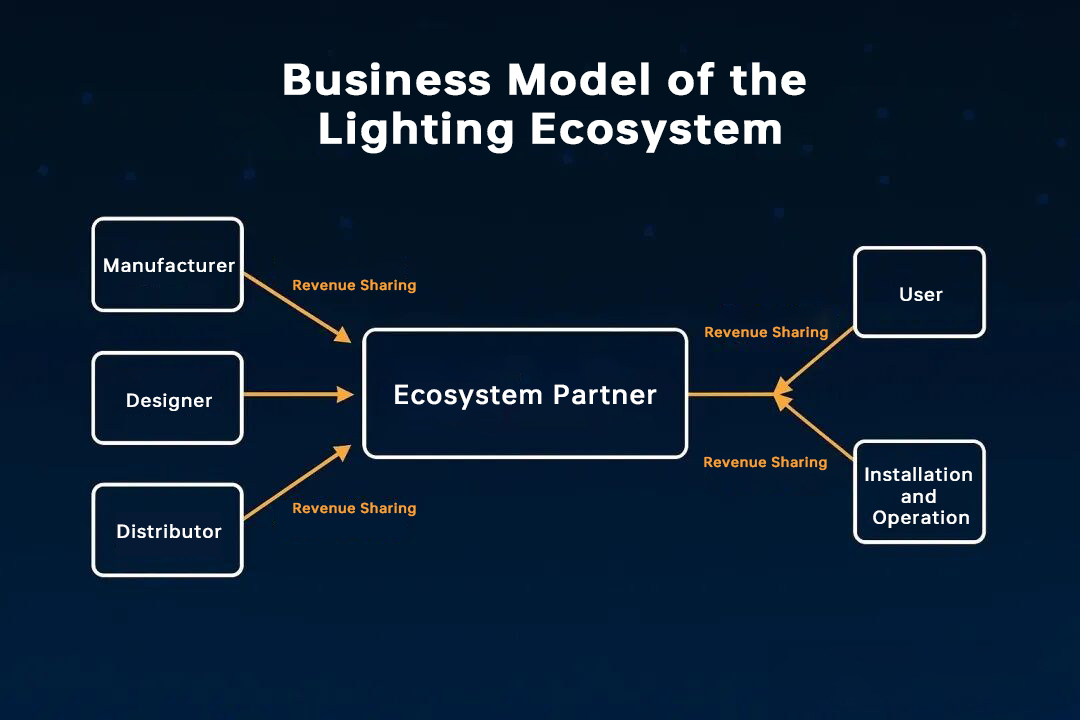
(3) Business model: Who pays for the intelligence of light?
- Developers? Focused mainly on upfront cost and selling points.
- Operators? Care about long-term OPEX and tenant experience.
- Tenants / homeowners? Want visible, immediate benefits.
This means lighting companies cannot rely solely on “selling hardware.”
They need business models in collaboration with platforms, integrators, and consultants:
- Per project
- Per service year
- Or even shared savings / satisfaction-based revenue models
5. How Lighting Companies Can Upgrade Their Role
There are several realistic paths forward:
(1) From “Products” to “Hardware Platforms”
- Integrate drivers, dimming, sensing, and interfaces into one architecture.
- Support major protocols and open APIs. Ensure fixtures are naturally compatible with BMS, whole-home intelligence, and third-party platforms.
- Provide standardized integration kits for system integrators and platform partners.
(2) From “Supplying Fixtures” to “Supplying Scenes”
- Instead of only calculating wattage and quantities, ask:
“What is the function and emotional goal of this space?”
- Then build scene packs:
- Focus
- Hospitality
- Recovery
- Display
- Entertainment
- Make scenes visual, repeatable, and testable.
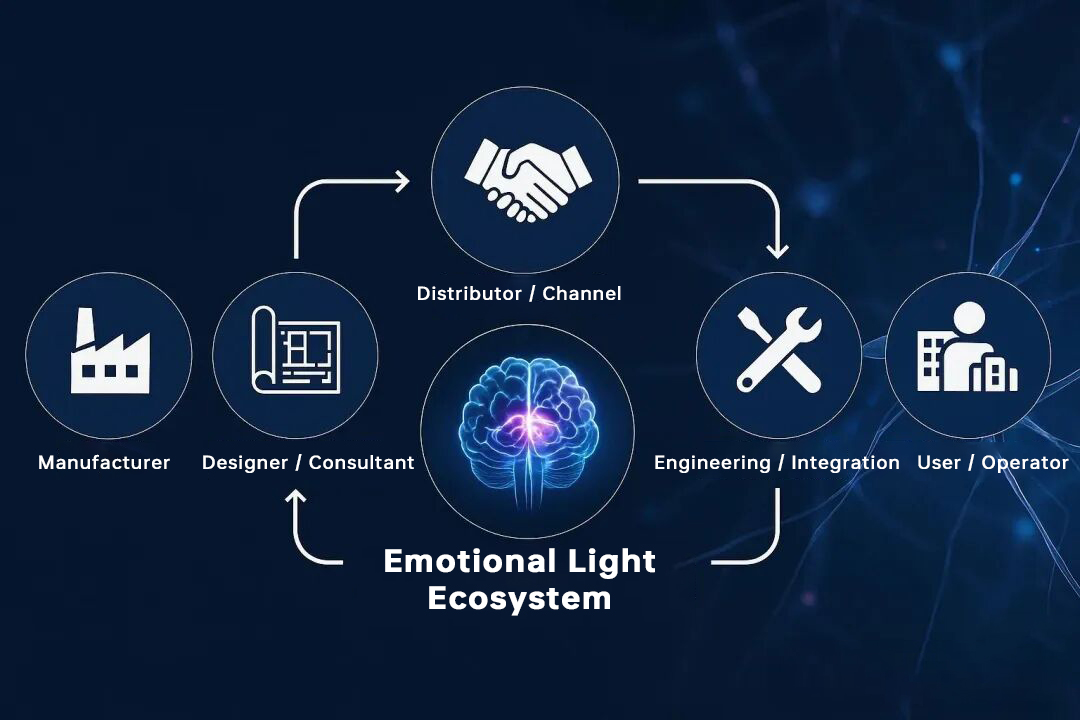
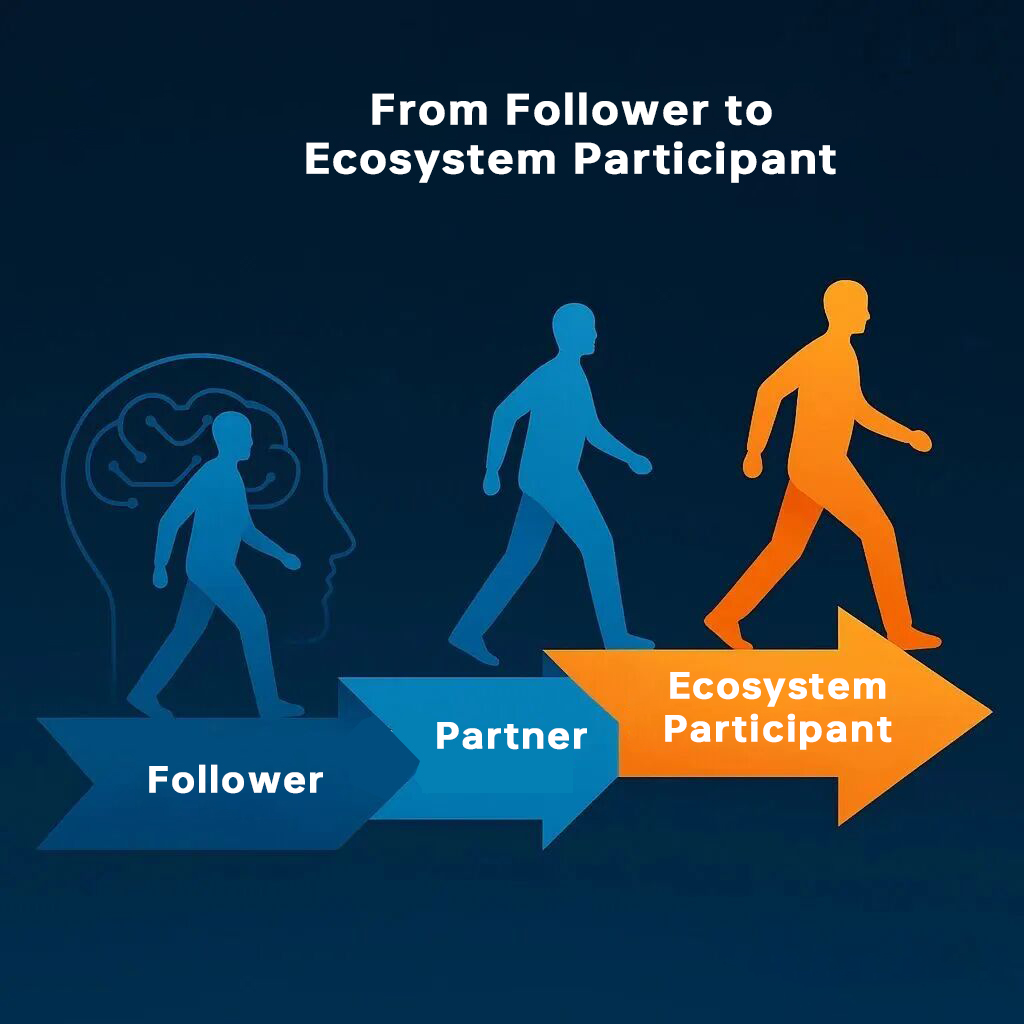
(3) From “Follower” to “Ecosystem Participant”
- Engage in standards, pilot projects, and cross-disciplinary collaborations.
- Work with platforms, chip vendors, algorithm teams, and health institutions. Form an ecosystem that integrates light + sensing + data + services.
- Specialize deeply in a vertical segment — office, healthcare, education, hospitality — to build a trusted professional identity.
6. Final Thoughts:
The Lighting Industry Is Entering a Phase of “Redefinition”
If a smart building is imagined as a space with a central nervous system, lighting has the potential to be its most important sensory + expressive interface.
Lighting can:
- sense people and the environment
- influence comfort, health, mood, and brand experience
- become a carrier of hardware, algorithms, and services
Challenges remain — technology, standards, cost, ecosystems, business models — but precisely because it is difficult, the moat belongs to those willing to evolve.
If you:
- build smart building or smart home systems
- design lighting for office, education, healthcare, hospitality projects
- or want to move from selling fixtures → selling lighting services → selling wellbeing experiences
Let’s connect and explore how lighting can create new possibilities for people, spaces, and businesses in the next generation of smart environments.